
Venezuela
Critical minerals, policy, and the energy transition
The Energy Transition in Venezuela
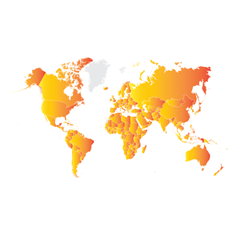
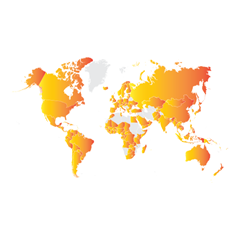
Venezuela sits atop some of the world’s largest reserves of oil, gas, and mineral resources, yet remains economically fragile and politically isolated. In early January 2026, the context shifted sharply following a US-led operation that detained President Nicolás Maduro, intensifying international legal and diplomatic scrutiny and deepening uncertainty over governance and sovereignty. At the same time, a US oil blockade and expanded sanctions targeting oil traders and tankers have disrupted Venezuela’s export lifeline, including shipments linked to previously authorised arrangements, tightening near-term constraints on state revenues and continuity in the oil sector. This volatility sharpens a structural paradox. Venezuela’s geology is exceptionally rich, not only in hydrocarbons but also in minerals increasingly relevant to clean energy and industrial supply chains, including aluminium, phosphorus, sulfur, and iron, alongside significant gold and lead reserves. However, deteriorating infrastructure, fragmented institutions, and a prolonged political crisis have constrained the country’s ability to develop and monetise these resources in a strategic, transparent, and socially responsible manner. As critical minerals take centre stage, Venezuela’s potential remains unrealised mainly, caught between vast geological promise and profound political constraints. Any credible pathway toward an energy transition or sustainable mineral development will depend not only on market dynamics but also on institutional rebuilding, regulatory reform, and renewed international engagement.
Venezuela's international economic, trade, and security alliances
United States energy and power mix
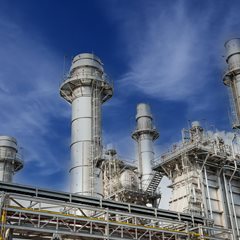
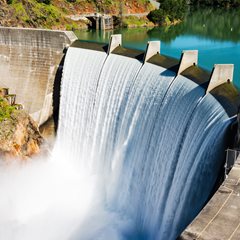
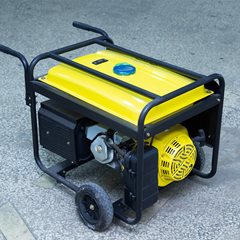
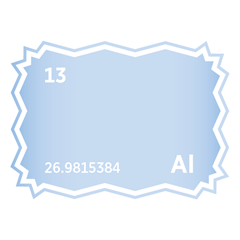
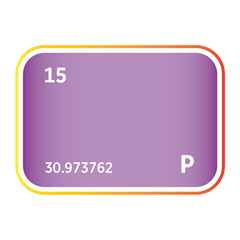

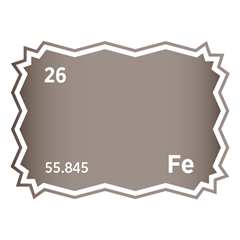
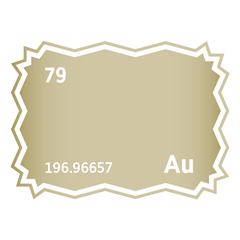
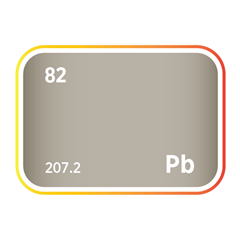
Energy Raw Materials and products produced in Venezuela
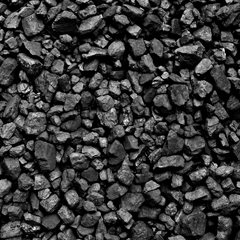
Essential minerals production and products in Venezuela



The journey of South America's critical minerals
South America's advancement in renewable energy depends significantly on key minerals such as lithium, nickel, and cobalt, alongside PGMs, rare earths, and minor metals, which are vital for the development of low carbon and future technologies through the support of sustainable mining and innovative policies. This approach highlights the critical role of these minerals in securing a sustainable and energy-independent future. Explore how these critical minerals are central to South America's journey towards sustainable energy transformation.

Argentina
Argentina, a key Lithium Triangle player, is expanding production and leveraging global partnerships to strengthen its role in battery supply chains.

Bolivia
Bolivia, home to vast lithium reserves within the Salar de Uyuni, faces challenges in extraction and infrastructure, affecting its pace in the global lithium market.

Brazil
Brazil, rich in niobium, bauxite, and rare earths, pairs large-scale mining with hydropower dominance, making it a key supplier in clean tech value chains.

Chile
Chile is the world’s second-largest lithium producer and a top exporter of copper, making it central to global energy transition infrastructure and mineral diplomacy.

Colombia
Colombia's wealth in gold, copper, and nickel is tempered by regulatory challenges and conflict-affected zones, complicating its path to secure mineral supply chains.

Ecuador
Ecuador is exploring its copper and gold potential amid rising investment interest, yet faces tensions over environmental protection and Indigenous land rights.

French Guiana
French Guiana prioritises environmental protection over extraction. With gold as its main mineral resource, its growing interest in renewable energy.

Guyana
Guyana’s gold and offshore oil boom fuels rapid growth, but raises questions about balancing extractive wealth with long-term energy sustainability.

Paraguay
Paraguay generates nearly 100% of its electricity from hydropower, offering a renewable energy advantage despite limited mineral production.

Peru
Peru is a global mining heavyweight, exporting copper, silver, and zinc, though political instability and social unrest continue to disrupt its extractive sector.

Suriname
Suriname depends heavily on gold exports, with its mining sector facing environmental and governance pressures in the biodiverse interior.

Uruguay
Uruguay has built one of Latin America’s greenest power grids, running largely on wind and solar, despite a limited presence in the critical minerals space.

South Georgia and the South Sandwich Islands
Uninhabited and protected, South Georgia and the South Sandwich Islands are a South Atlantic base for conservation and climate monitoring.

The Falkland Islands
The Falkland Islands lack major mining but are exploring offshore energy, with a focus on energy resilience, the environment, and maritime sovereignty.


Meet the Critical Minerals team
Trusted advice from a dedicated team of experts.

Henk de Hoop
Chief Executive Officer

Beresford Clarke
Managing Director: Technical & Research

Jamie Underwood
Principal Consultant

Dr Jenny Watts
Critical Minerals Technologies Expert

Ismet Soyocak
ESG & Critical Minerals Lead

Thomas Shann Mills
Senior Machine Learning Engineer

Rj Coetzee
Senior Market Analyst: Battery Materials and Technologies

Franklin Avery
Commodity Analyst

Shunjie Zhao (Tony)
Commodity Analyst: APAC

How can we help you?
SFA (Oxford) provides bespoke, independent intelligence on the strategic metal markets, specifically tailored to your needs. To find out more about what we can offer you, please contact us.