
Canada
Critical minerals, policy, and the energy transition
The Energy Transition in Canada
Canada’s energy transition reflects its commitment to net-zero emissions by 2050 while managing its status as a major oil and gas producer. As a federal state, climate and energy policy involves complex coordination between Ottawa and resource-rich provinces such as Alberta and Saskatchewan, where hydrocarbons remain central to economic growth. At the same time, Canada already benefits from a largely low-carbon electricity mix, led by hydropower in Quebec, British Columbia, and Manitoba. To reduce emissions, the federal government has implemented carbon pricing, clean fuel standards, and incentives for electrification, hydrogen, and carbon capture. Beyond fossil fuels, Canada is positioning itself as a strategic supplier of critical minerals, including lithium, nickel, cobalt, copper, and rare earth elements, essential for electric vehicles and renewable energy systems. Through its Critical Minerals Strategy, it seeks to expand domestic processing and integrate with U.S. and European supply chains. Indigenous rights, environmental assessments, and pipeline debates add legal and political complexity. Ultimately, Canada’s transition represents a balancing act between climate leadership, regional economic realities, and geopolitical opportunity.
Latest news and insights
Stay ahead in the energy transition with SFA (Oxford)’s cutting-edge insights into how critical minerals, geopolitics, ESG, and supply chain risks are reshaping global growth and redefining Canada's strategic priorities.

Critical minerals could make the next outage permanent
18 November 2025 | Jamie Underwood, Ismet Soyocak
Cloudflare’s outage disrupted 20% of global web traffic, spotlighting the internet’s vulnerability to centralised systems, and the critical minerals powering them.

China’s REE Export Controls Reshape Global Supply Chains
10 October 2025 | Jamie Underwood
China’s rare earth export controls redefine global power dynamics, threatening defence, energy, and tech supply chains, forcing the West to respond.
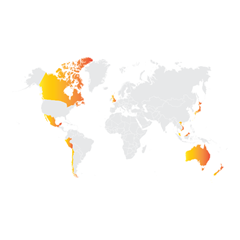
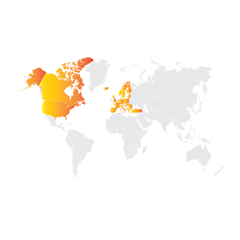
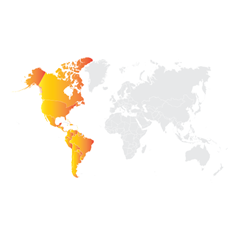
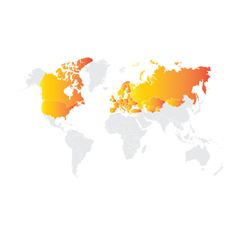
Canada's international economic, trade, and security alliances
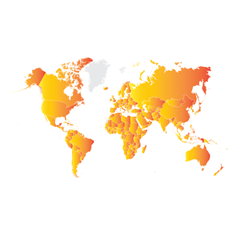
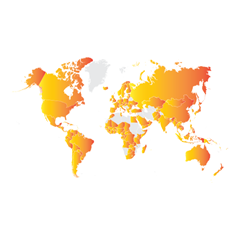
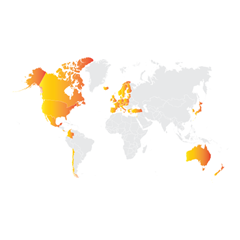
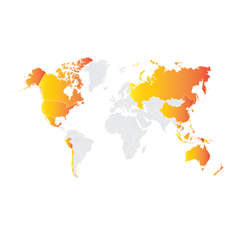
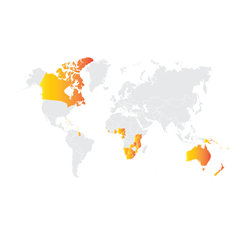
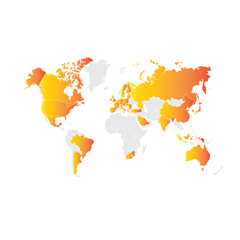
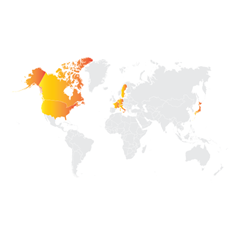
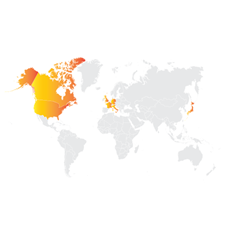
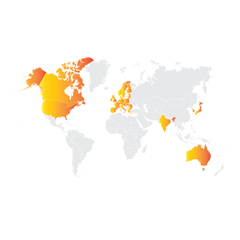
A comprehensive approach to the global energy transition
Canada is positioning itself at the forefront of the global energy transition through the adoption of renewable energy, critical mineral development, technological innovation, and robust policy frameworks.
Canada’s approach to critical minerals and the energy transition is deeply intertwined with its international alliances. These relationships enable Canada to influence global policies, secure essential resources, and collaborate on innovative solutions for a sustainable future. The federal and provincial governments are implementing robust policy frameworks to support the energy transition. The Pan-Canadian Framework on Clean Growth and Climate Change outlines the national strategy for reducing emissions, fostering clean technology, and creating resilient communities. Carbon pricing mechanisms, renewable energy incentives, and emissions regulations are key components of this framework.
The energy transition in Canada faces several challenges to becoming a global leader in clean energy. Infrastructure development is essential, requiring the upgrade of the national grid to accommodate renewable energy sources. Regulatory hurdles present another obstacle, as the country must navigate complex and varied regulatory environments across its provinces. Economic diversification is also critical, as Canada needs to balance economic growth while shifting away from fossil fuels. Additionally, social acceptance is a crucial factor, necessitating efforts to ensure community support for renewable energy projects. These challenges must be met with innovative solutions and collaborative efforts to achieve a sustainable energy future.


Source: SFA (Oxford)
Critical Minerals mapping and policy developments
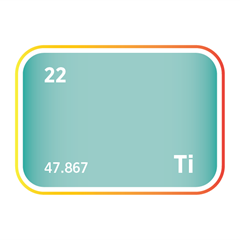
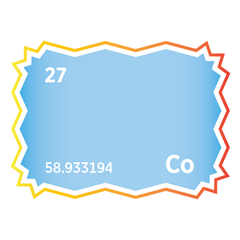
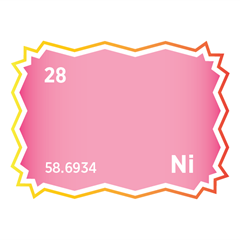
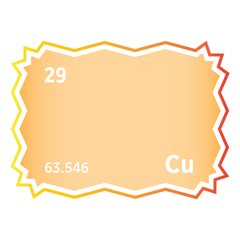
Provincial efforts to develop and manage critical minerals in Canada are diverse and tailored to local contexts, with each key province contributing uniquely to the energy transition. Quebec, a leader in hydropower, is emerging as a significant player in lithium production. Ontario focuses on integrating nuclear power and renewable energy while playing a vital role in nickel and cobalt production. British Columbia is developing hydro, wind, and solar power and boasts significant deposits of copper, nickel, and other critical minerals. Alberta is transitioning from oil sands to renewable energy sources like wind and solar and leads in lithium extraction practices. Saskatchewan invests in wind power, explores small modular nuclear reactors (SMRs), and focuses on uranium and other critical minerals.
In Newfoundland and Labrador, significant advancements have been made in nickel and cobalt development, while Manitoba is developing strategies for these minerals. The Northwest Territories are mapping rare earth elements and other critical minerals, and Nunavut is actively exploring and developing critical minerals. Yukon explores rare earth elements and sustainable mining practices. New Brunswick and Prince Edward Island are exploring the potential for rare earth elements, and Nova Scotia emphasises sustainable mining practices.
Each province's unique approach reflects the regional strengths and resources available, contributing collectively to Canada's overall strategy in critical minerals and the energy transition. Discover the energy transition and critical minerals across Canada.


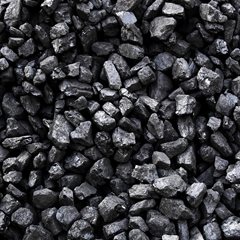
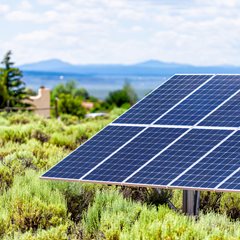
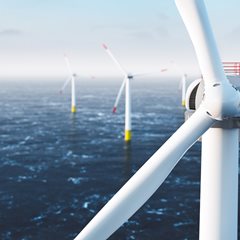
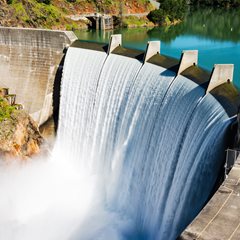
Canada's energy and power mix
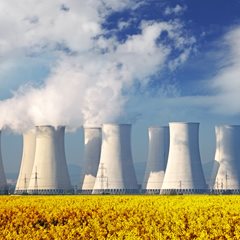
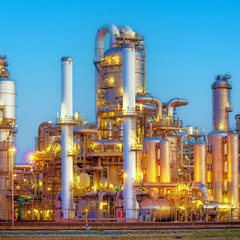
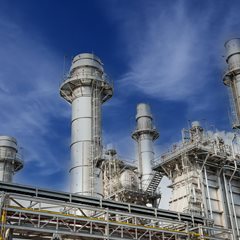


Critical Minerals in Canada
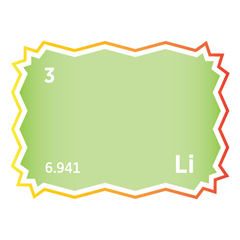
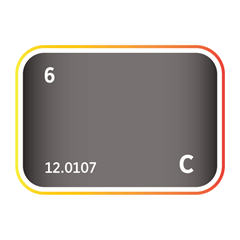
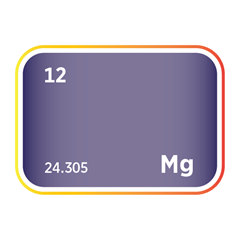

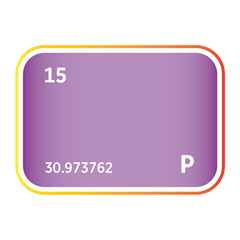





Join us at SFA (Oxford)'s Critical Minerals events
Join us in person or online from Canada for SFA (Oxford)’s latest Critical Minerals events, focused on the key materials driving the energy transition and low-carbon technologies. Connect with global leaders, government, investors, miners, end users, and key players across the supply chain and recycling sector, and stay ahead of the trends shaping the battery metals and PGM markets. Register today to secure your place.



Energy Raw Materials and products produced in Canada
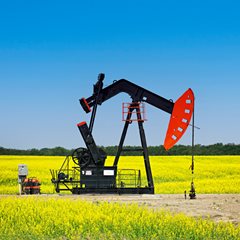
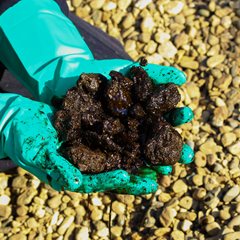
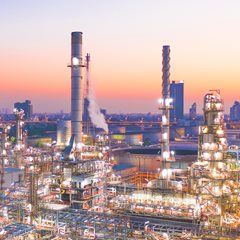
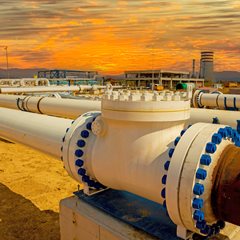
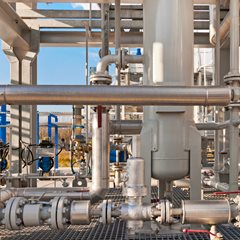
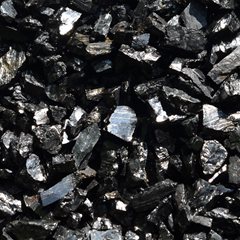
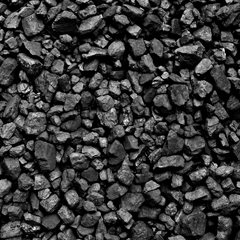
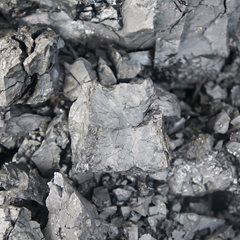



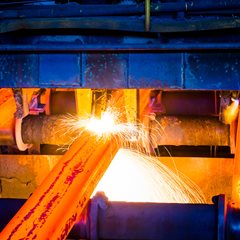
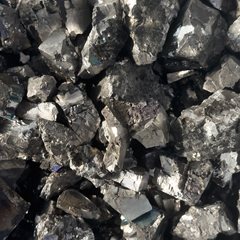
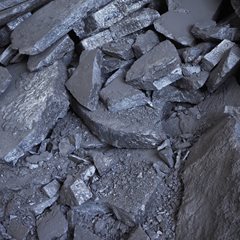
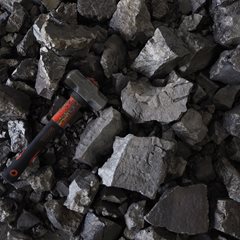
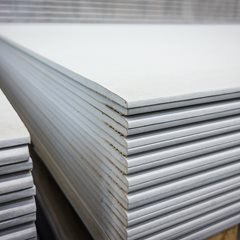
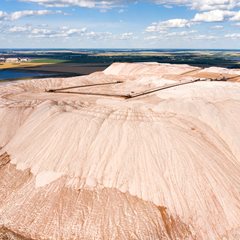
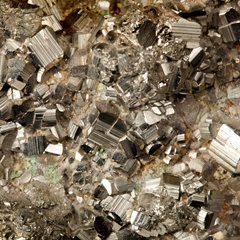
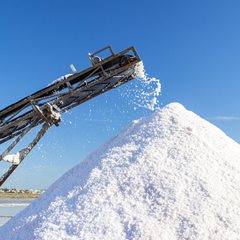
Essential Mineral Production and Products in Canada













Meet the Critical Minerals team
Trusted advice from a dedicated team of experts.

Henk de Hoop
Chief Executive Officer

Beresford Clarke
Managing Director: Technical & Research

Jamie Underwood
Principal Consultant

Dr Jenny Watts
Critical Minerals Technologies Expert

Ismet Soyocak
ESG & Critical Minerals Lead

Thomas Shann Mills
Senior Machine Learning Engineer

Shunjie Zhao (Tony)
Commodity Analyst: APAC

How can we help you?
SFA (Oxford) provides bespoke, independent intelligence on the strategic metal markets, specifically tailored to your needs. To find out more about what we can offer you, please contact us.